
Wild Garden Design: Meadow Plants, Paths & Ideas
Wild garden design is a naturalistic landscape style that uses native wildflowers, ornamental grasses and self-seeding perennials planted in loose drifts, with mown paths winding through longer growth. It aims to look like a natural meadow or woodland edge while supporting pollinators, birds and wildlife, and it needs less watering, feeding and mowing than lawns.
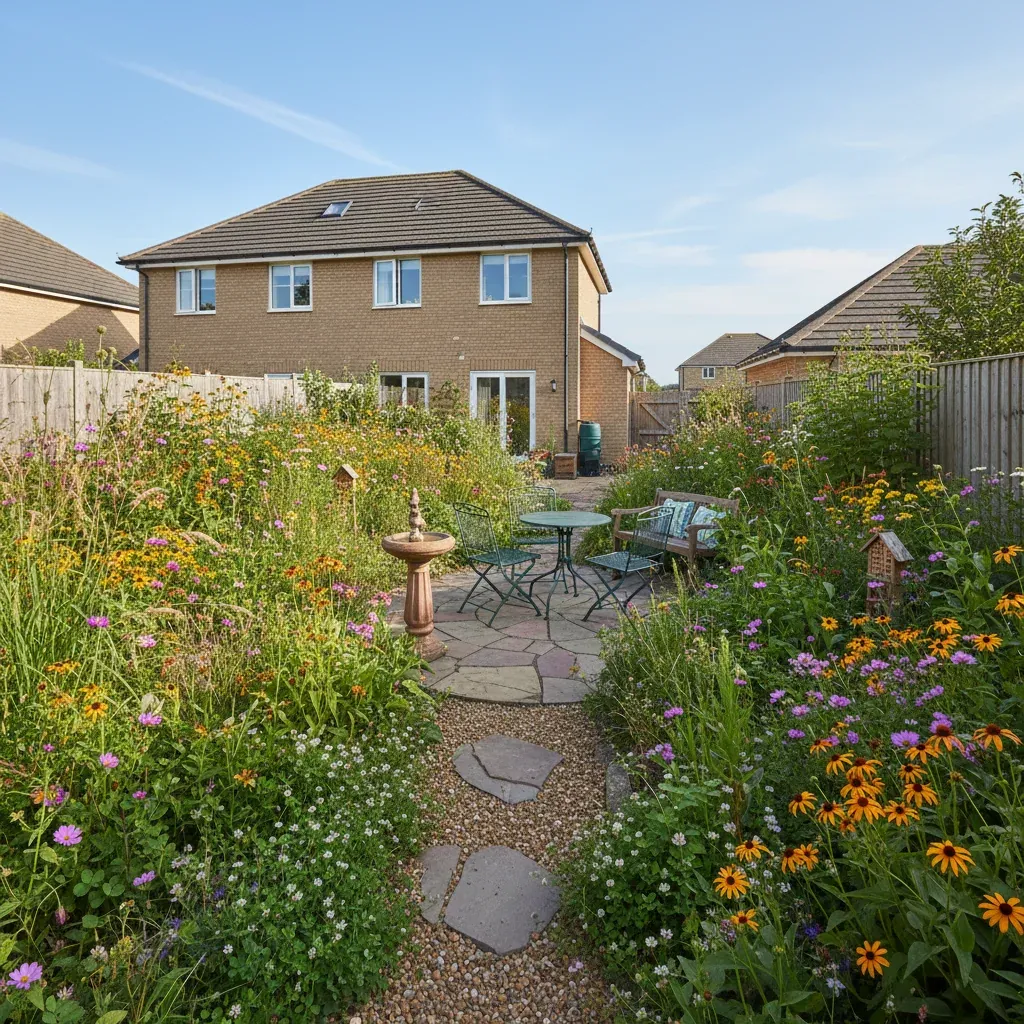
What is Wild Garden style?
The idea goes back to William Robinson's book The Wild Garden (1870), which promoted planting hardy plants to naturalize instead of formal bedding. It developed through the German and Dutch New Perennial movement, led by designers such as Piet Oudolf, whose work at the High Line in New York made meadow planting famous. It is popular now because of declining pollinator populations, rewilding movements, water restrictions and interest in gardens that need less mowing.
Wild Garden color palette
- Meadow green#7A9A4A
- Straw gold#D2B46C
- Cornflower blue#5B7FC9
- Poppy red#D2412F
- Oxeye white#F3F1E6
- Echinacea purple#A0628E
Key features of Wild Garden design
- 1
Loose drifts of wildflowers and grasses that blend into each other rather than separate beds.
- 2
Curving mown paths through taller meadow planting.
- 3
Ornamental grasses such as Stipa, Molinia and Deschampsia moving in the wind.
- 4
Seed heads and stems left standing over winter for birds and insects.
- 5
Native plants matched to local soil and climate.
- 6
A wildlife pond, log piles or hedgerow edge providing habitat.
Materials
- Mown grass paths
- Bark chip or wood chip paths
- Reclaimed timber and untreated oak
- Local stone for low walls and stepping stones
- Log piles and stacked deadwood
- Woven willow or hazel hurdles
- Gravel with self-seeding plants
Furniture
- Rough oak or log bench at the meadow edge
- Wildlife pond with a sloping, planted edge
- Woven willow or hazel fence panels
- Insect hotel and bird boxes
- Simple timber boardwalk or deck
- Weathered timber picnic table
Wild Garden style room by room
Wild Garden garden
Convert the back half of the lawn to meadow and keep a 1 m mown path curving through it to a log bench.
Try it on your gardenWild Garden landscape
Sow a native wildflower mix on a sunny slope, add yellow rattle (Rhinanthus minor) to weaken grass, and cut it once a year in late summer.
Try it on your landscapeWild Garden balcony
Plant a long trough with compact grasses like Stipa tenuissima, plus echinacea, scabious and thyme for pollinators.
Try it on your balcony
Mistakes to avoid
- Sowing wildflower seed into rich, fertile lawn soil, where grasses outcompete flowers; reduce fertility or remove turf first.
- No visible structure; a crisp mown edge, path or bench shows the wildness is intentional.
- Buying generic seed mixes with non-native or invasive species; choose mixes native to your region.
- Cutting everything back in autumn; leave stems standing and cut the meadow once in late summer or early spring.
Get the Wild Garden look on a budget
- Sow a regional native wildflower seed mix in autumn instead of buying plug plants for large areas.
- Stop mowing part of the lawn from spring to late summer and see which wildflowers appear on their own.
- Use prunings and fallen branches for log piles, dead hedges and path edging instead of buying timber.
Wild Garden vs similar styles
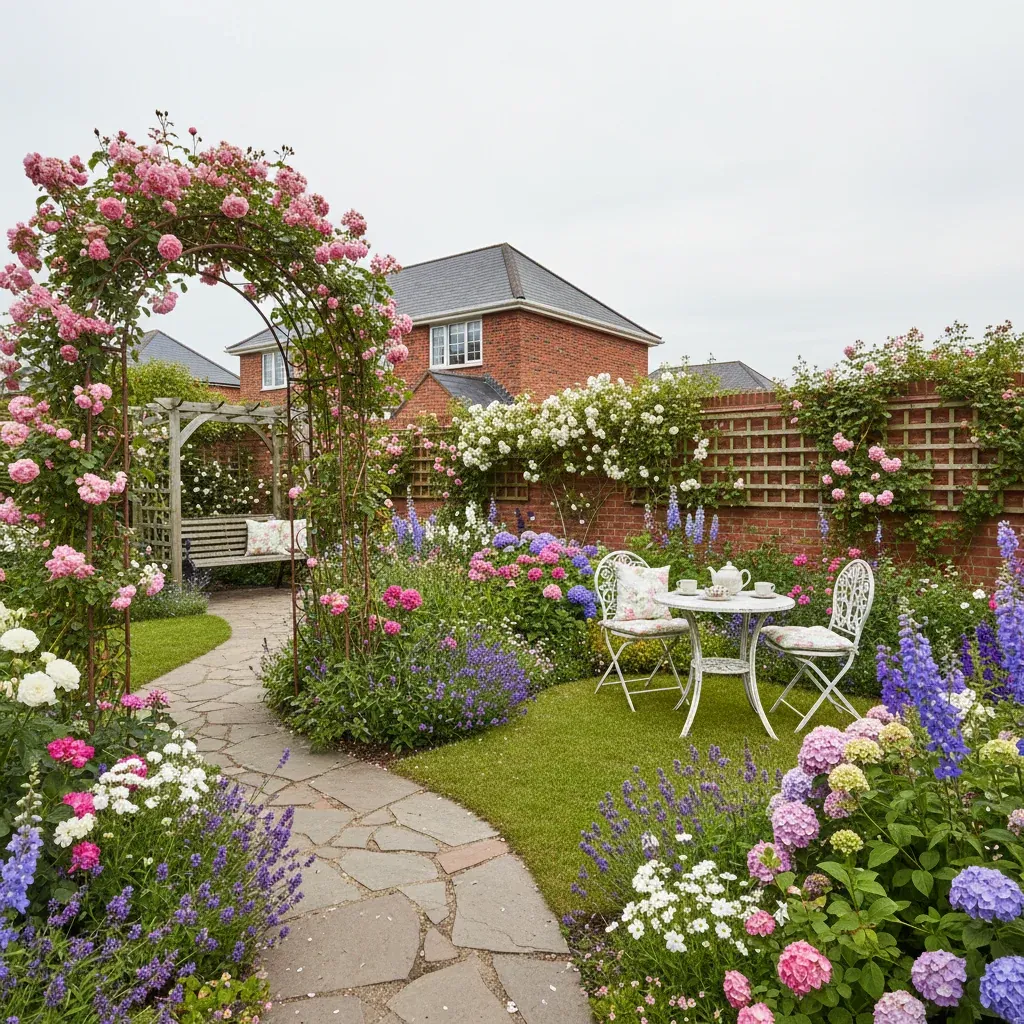 Wild Garden vs English GardenEnglish Garden uses cultivated roses and perennials with clipped hedges, while Wild Garden uses native plants in loose, naturalistic drifts.
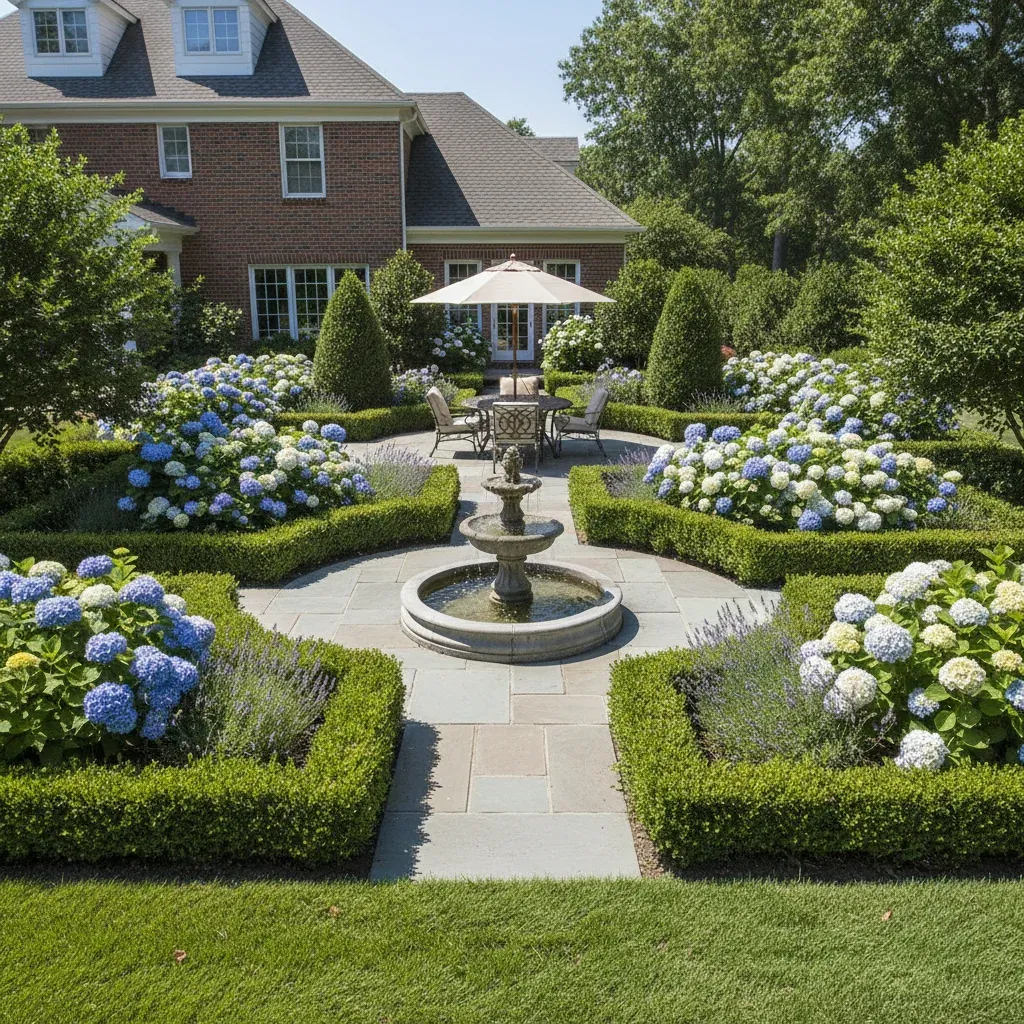 Wild Garden vs Formal GardenFormal Garden is symmetrical and clipped, while Wild Garden is irregular and designed to look unplanned.
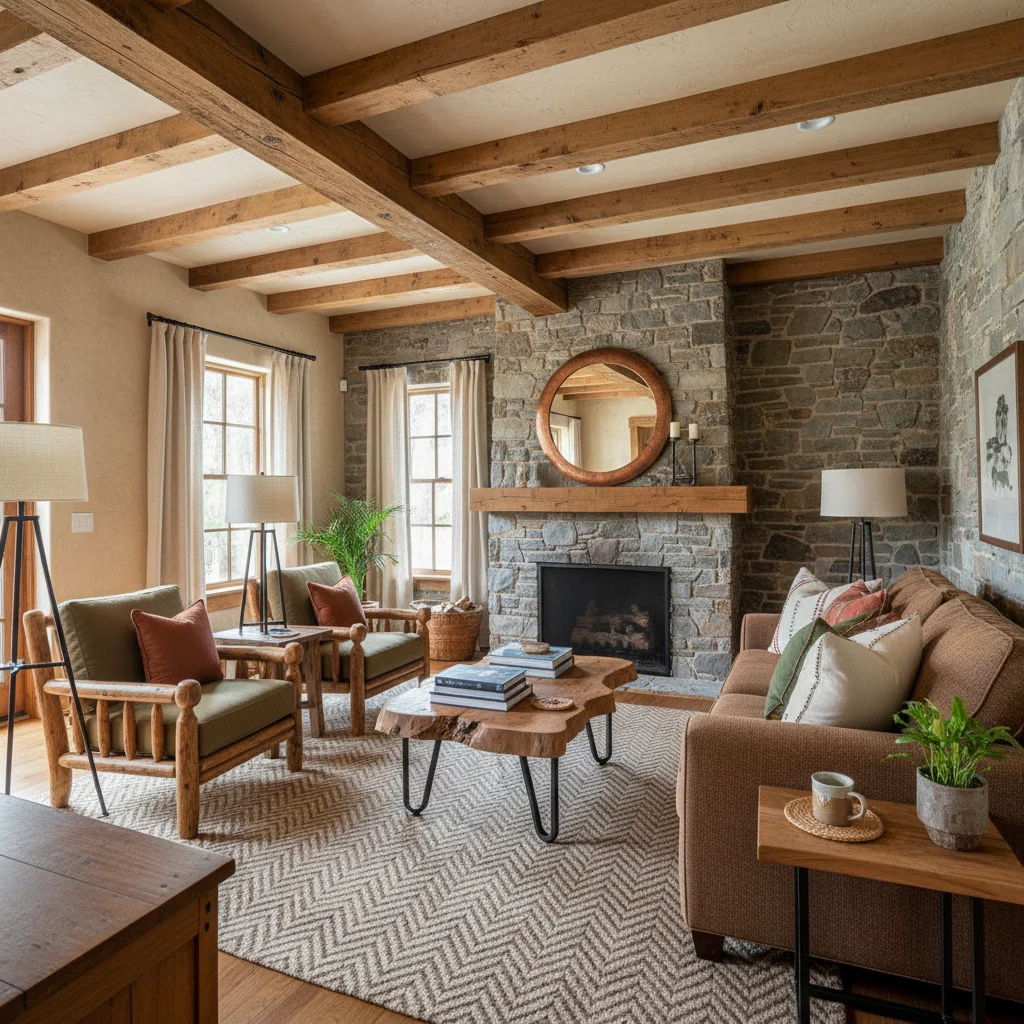 Wild Garden vs RusticRustic is the interior style of rough timber and natural textures that suits a Wild Garden's look.
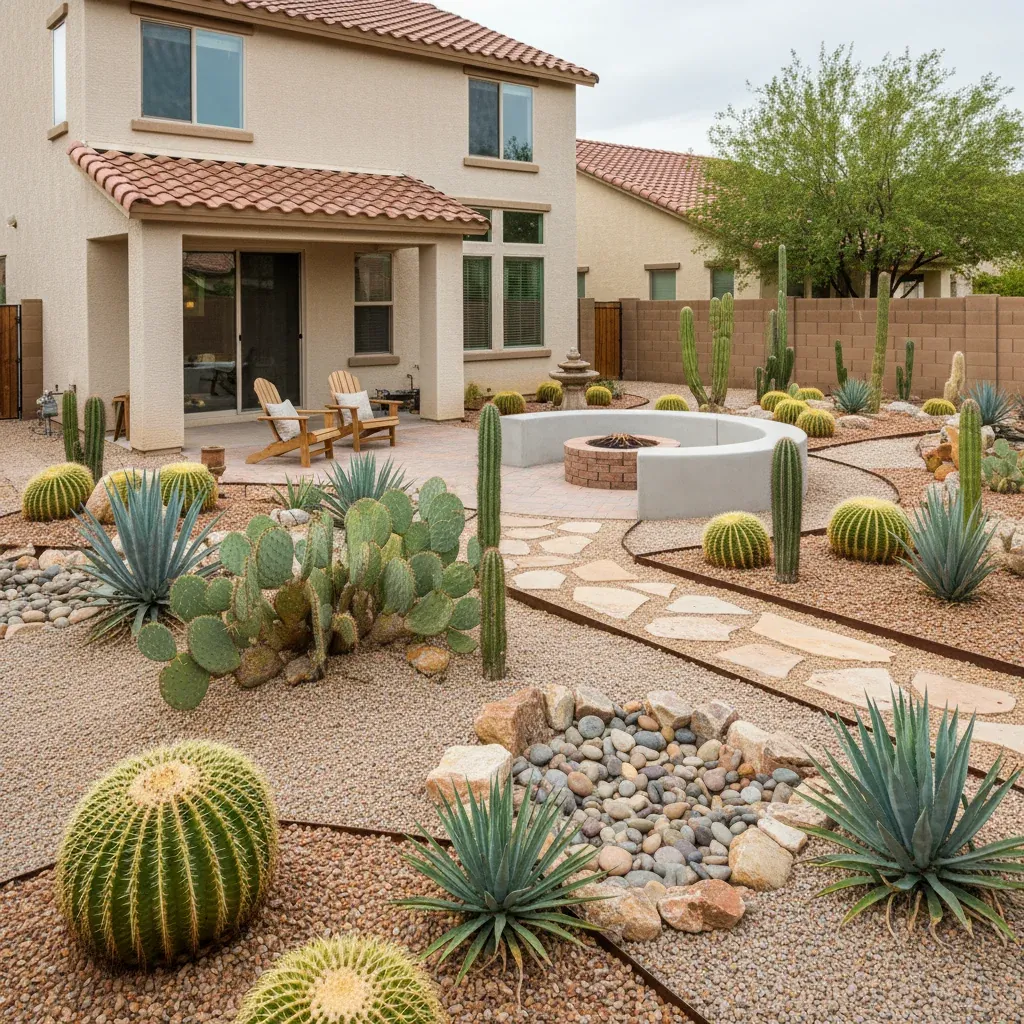 Wild Garden vs Desert GardenDesert Garden spaces sculptural succulents on gravel for dry climates, while Wild Garden fills ground with dense meadow plants.
Frequently Asked Questions
What is a wild garden?
A wild garden is a naturalistic garden planted with native wildflowers, grasses and self-seeding perennials in loose drifts, often with mown paths through longer growth. It is designed to look like a meadow or woodland edge, supports pollinators and wildlife, and needs less water, fertilizer and mowing than a conventional lawn.
How do I turn my lawn into a wildflower meadow?
To turn a lawn into a wildflower meadow, reduce soil fertility by removing turf or stopping fertilizer, then sow a native wildflower seed mix in autumn or spring on bare, raked soil. Add yellow rattle to weaken grasses. Cut the meadow once a year in late summer and remove the cuttings.
What plants are good for a wild garden?
Good wild garden plants depend on region but often include oxeye daisy, cornflower, field poppy, knapweed, scabious, echinacea, rudbeckia, yarrow, wild marjoram and native grasses like Stipa, Deschampsia and little bluestem. Choose species native to your area, as they support local insects best and suit local soil and rainfall.
Is a wild garden low maintenance?
A wild garden is lower maintenance than a lawn or flower borders once established, but it is not maintenance-free. Expect weeding of aggressive species in the first two years, one or two cuts per year and occasional reseeding. You save time on weekly mowing, watering and fertilizing.
How do you make a wild garden look tidy?
Make a wild garden look tidy by framing it with clear edges: a mown path, a strip of short lawn along the border, a low wall or a fence. Add one deliberate element such as a bench, path or pond. These cues show the planting is intentional rather than neglected.


Unlock the Full Power of Decor Copilot
Upload a photo and see your room redesigned in seconds. Start for free today.
No credit card required