
Japanese Garden Design: Plants, Stones & Ideas
Japanese garden design is a landscape style that creates a calm, natural scene using carefully placed rocks, raked gravel, moss, clipped evergreens, Japanese maples, water and simple bamboo or stone features. It favors asymmetry, a restrained green palette and deliberate empty space, so every element looks intentional and the garden invites slow, quiet viewing.
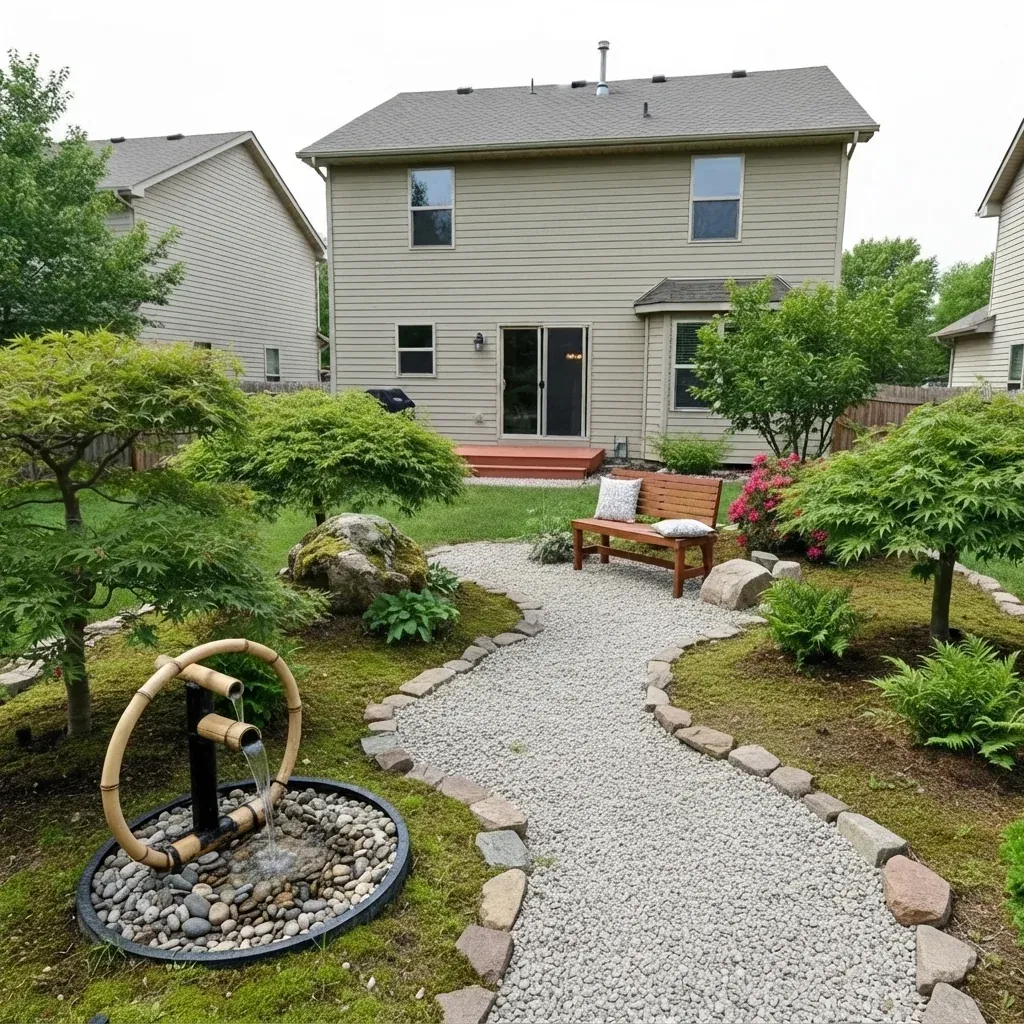
What is Japanese Garden style?
Japanese gardens developed over more than a thousand years, from Heian-period pond gardens to the dry rock gardens (karesansui) and tea gardens of the fourteenth to sixteenth centuries. Designers miniaturized natural landscapes, using stone for mountains and gravel or water for seas. The style spread worldwide in the twentieth century through public gardens such as those in Portland and Kyoto. People like it now for its calm, low-color look and because a small courtyard can follow its principles.
Japanese Garden color palette
- Moss green#5E7A3A
- Pine green#2E4A2F
- Maple red#A8322D
- Granite grey#8E8C86
- Raked gravel#D9D4C7
- Weathered cedar#6B4F3A
Key features of Japanese Garden design
- 1
Rocks set in odd-numbered groups, buried by a third so they look naturally rooted.
- 2
Raked gravel representing water, with lines around rocks like ripples.
- 3
Cloud-pruned pines and Japanese maples as the main trees.
- 4
Moss carpets and low groundcovers instead of large lawns.
- 5
Stepping stone paths that slow walking and direct views.
- 6
Asymmetric balance with deliberate empty space around each feature.
Materials
- Natural granite and basalt boulders
- Crushed granite or white gravel for raking
- Flat stepping stones
- Bamboo poles and split-bamboo fencing
- Untreated cedar or cypress timber
- Moss and low groundcovers
- River pebbles for dry streambeds
Furniture
- Stone lantern (tōrō) in granite
- Low stone water basin (tsukubai) with a bamboo spout
- Timber engawa-style deck or low bench
- Bamboo or cedar screen fence
- Simple arched or flat timber bridge over water or gravel
- Roofed timber gate
Japanese Garden style room by room
Japanese Garden garden
Create a dry gravel area with three granite rocks in a triangle, edged by moss and a single Japanese maple (Acer palmatum) to one side.
Try it on your gardenJapanese Garden balcony
Use a shallow gravel tray with two small rocks, a dwarf pine or maple in a dark glazed pot and a bamboo screen against the railing.
Try it on your balconyJapanese Garden landscape
Shape a dry streambed from river pebbles that curves between boulders and drains rainwater across the slope.
Try it on your landscape
Mistakes to avoid
- Filling the garden with ornaments; use one lantern or basin as a focal point.
- Bright mixed flower beds; keep color to seasonal accents like maple leaves, azaleas and camellias.
- Rocks placed upright on the surface; bury them deep enough to look stable and natural.
- Planting tender maples in full afternoon sun in hot climates; give them light shade and mulch.
Get the Japanese Garden look on a budget
- Source rocks and pebbles from a local landscape supplier by the tonne instead of buying bagged decorative stone.
- Grow moss in shady, damp areas by keeping soil compacted and slightly acidic, or use low groundcovers like Irish moss (Sagina subulata) or mondo grass.
- Build a bamboo screen from rolls of split bamboo fixed to an existing fence.
Japanese Garden vs similar styles
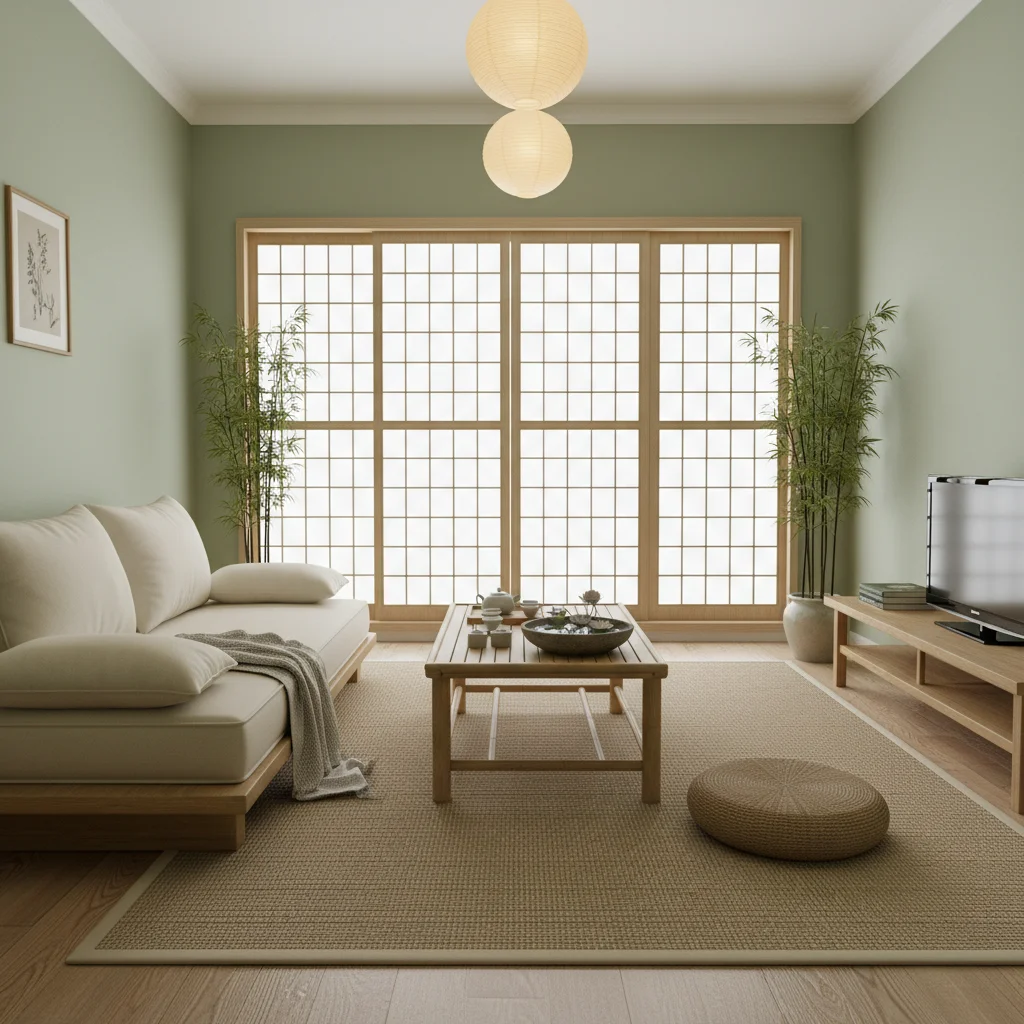 Japanese Garden vs Asian ZenAsian Zen applies similar calm and natural materials to interiors, while Japanese Garden is the outdoor landscape style.
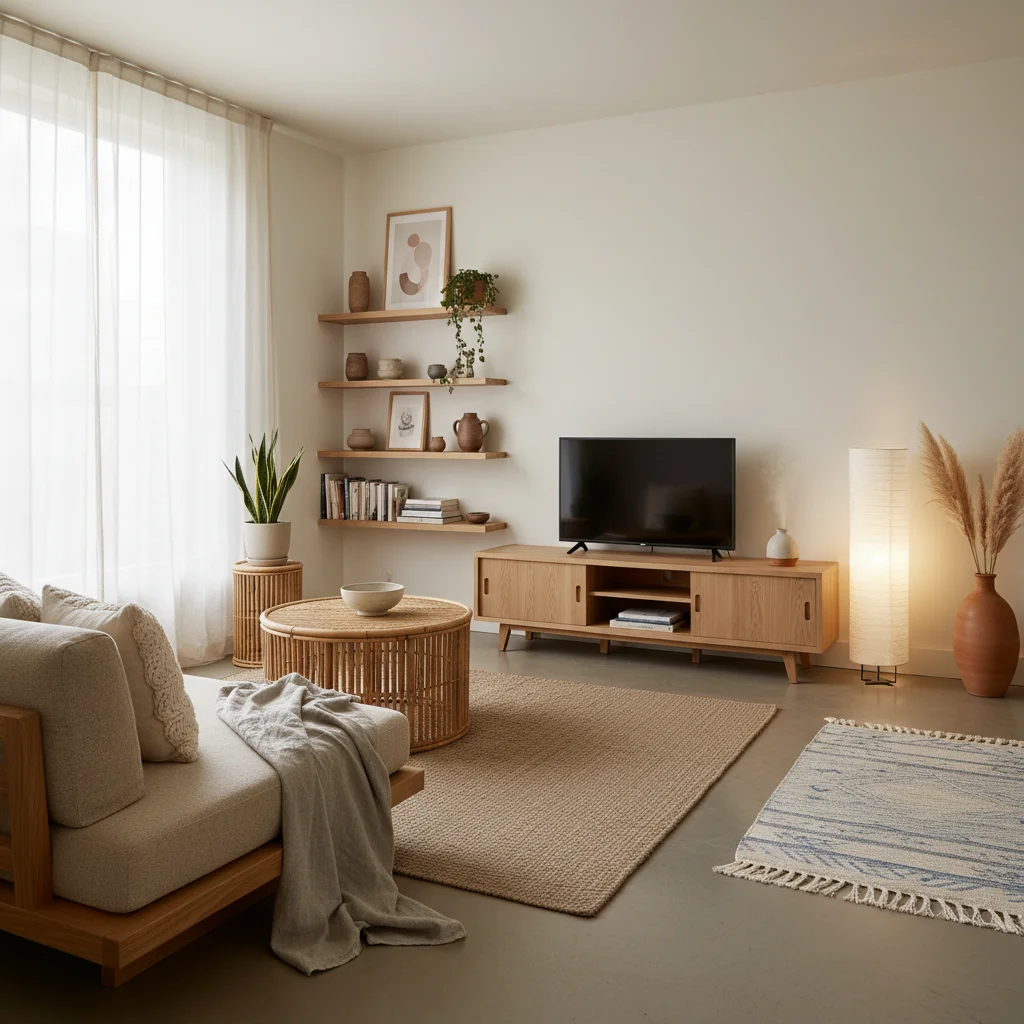 Japanese Garden vs JapandiJapandi is an interior style blending Japanese and Scandinavian design, while Japanese Garden focuses on stone, water and planting outdoors.
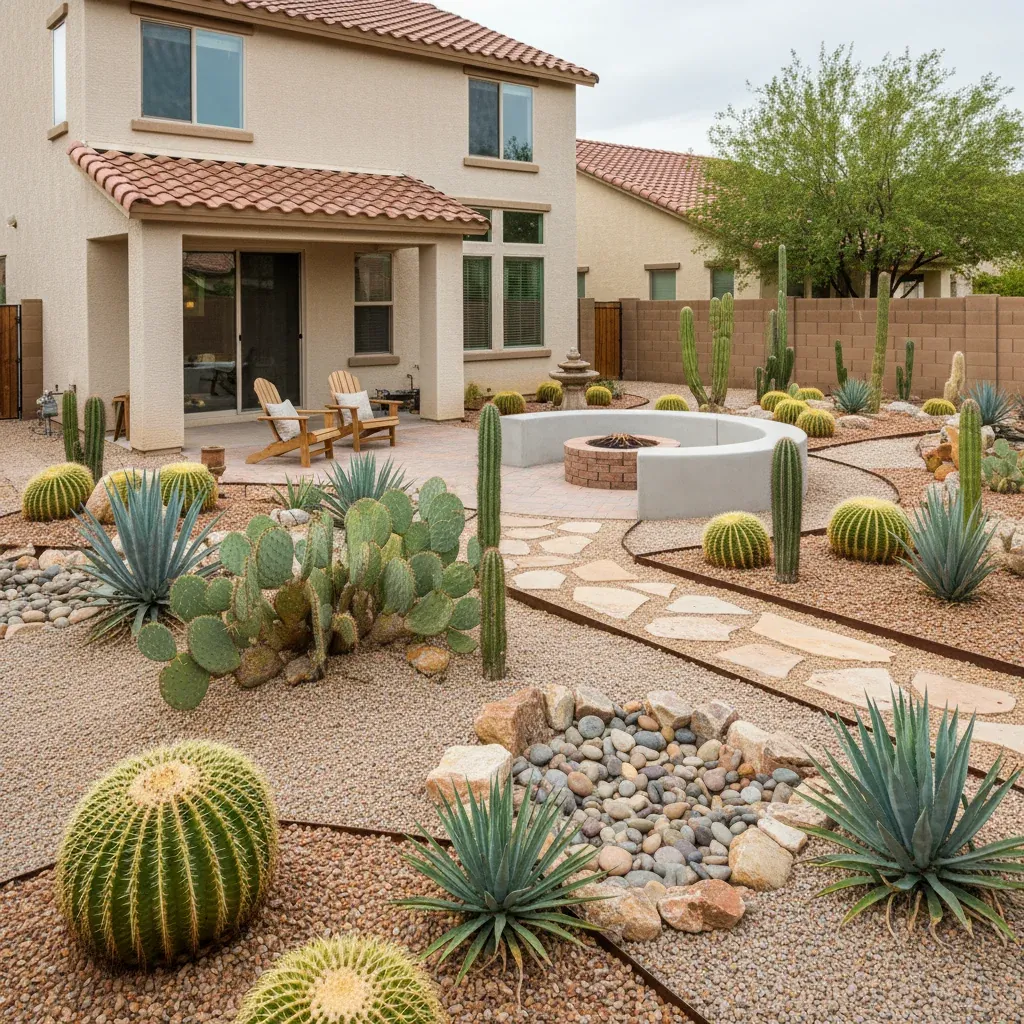 Japanese Garden vs Desert GardenDesert Garden also uses gravel and boulders but with cacti and agaves for dry climates, while Japanese Garden uses moss, maples and pines.
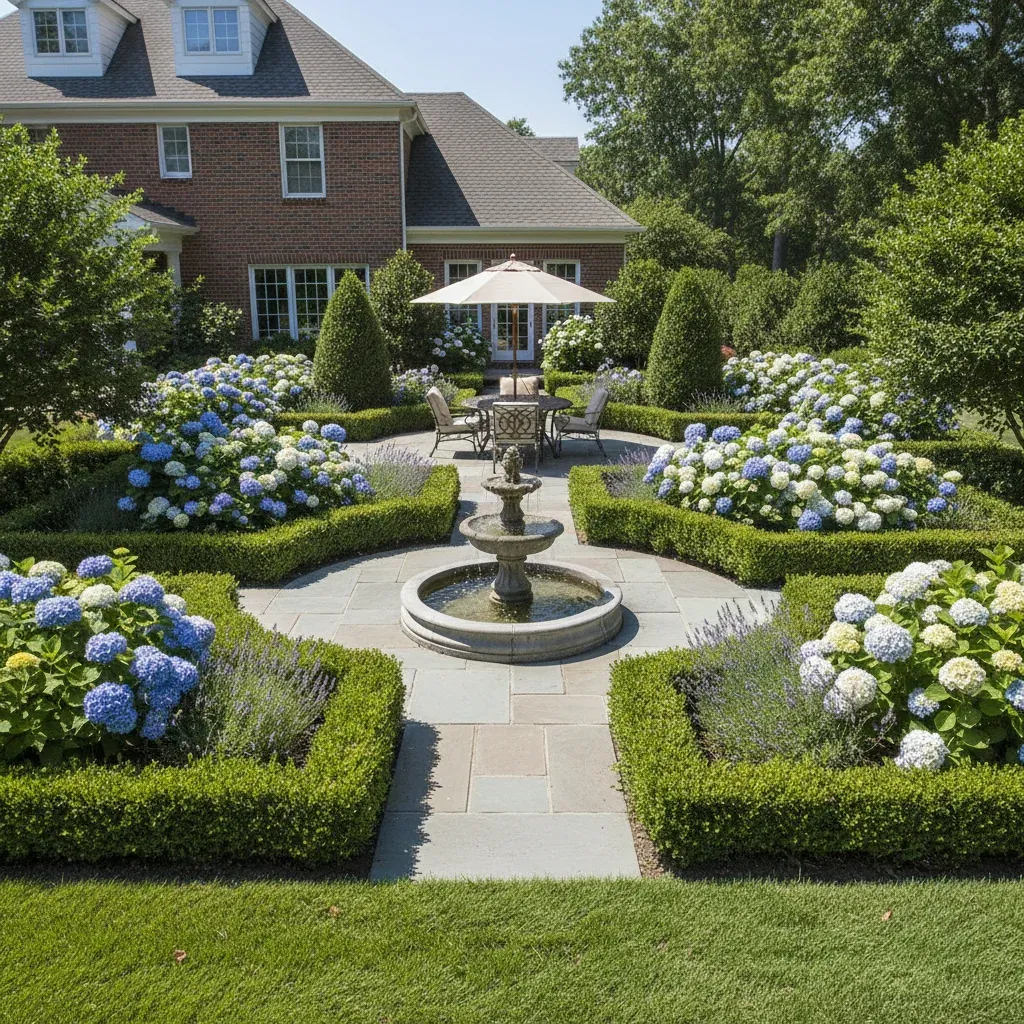 Japanese Garden vs Formal GardenFormal Garden is symmetrical and axial, while Japanese Garden uses asymmetric balance and natural forms.
Frequently Asked Questions
What are the main elements of a Japanese garden?
The main elements of a Japanese garden are rocks, water or raked gravel that represents water, plants such as Japanese maples, pines and moss, and simple features like stone lanterns, water basins, stepping stones and bamboo fences. Each element is placed asymmetrically with open space around it to create a calm, natural scene.
What plants are used in a Japanese garden?
Common Japanese garden plants include Japanese maple (Acer palmatum), Japanese black pine (Pinus thunbergii), azaleas, camellias, cherry and plum trees, bamboo, ferns, mondo grass (Ophiopogon japonicus), hostas and moss. Evergreens form the structure, while maples, azaleas and cherries give seasonal color.
How do I make a small Japanese garden?
To make a small Japanese garden, define the area with a bamboo or cedar screen, cover the ground with gravel and add three rocks in an uneven triangle. Plant one Japanese maple or dwarf pine, some moss or mondo grass, and add a single lantern or water basin as the focal point.
What is a Japanese dry garden?
A Japanese dry garden, or karesansui, is a garden made mostly of rocks and raked gravel, with little or no planting. The gravel stands for water and the rocks for islands or mountains. Raking patterns around the rocks look like ripples. Dry gardens need no irrigation and suit small courtyards.
Can I grow a Japanese garden in a hot climate?
Yes, a Japanese garden can work in a hot climate if you adapt the plants. Use heat-tolerant trees like olive or Ficus clipped into cloud shapes, replace moss with mondo grass or gravel, and plant maples only in afternoon shade. Dry gravel gardens suit hot climates well because they need little water.


Unlock the Full Power of Decor Copilot
Upload a photo and see your room redesigned in seconds. Start for free today.
No credit card required