
Asian Zen Interior Design: Colors, Materials & Ideas
Asian Zen interior design is a calm, uncluttered style based on traditional Japanese and Chinese homes. It uses low natural-wood furniture, diffused light through paper or linen screens, bamboo, stone and woven grass textures, and a muted palette of beige, moss and charcoal, with open space treated as part of the design.
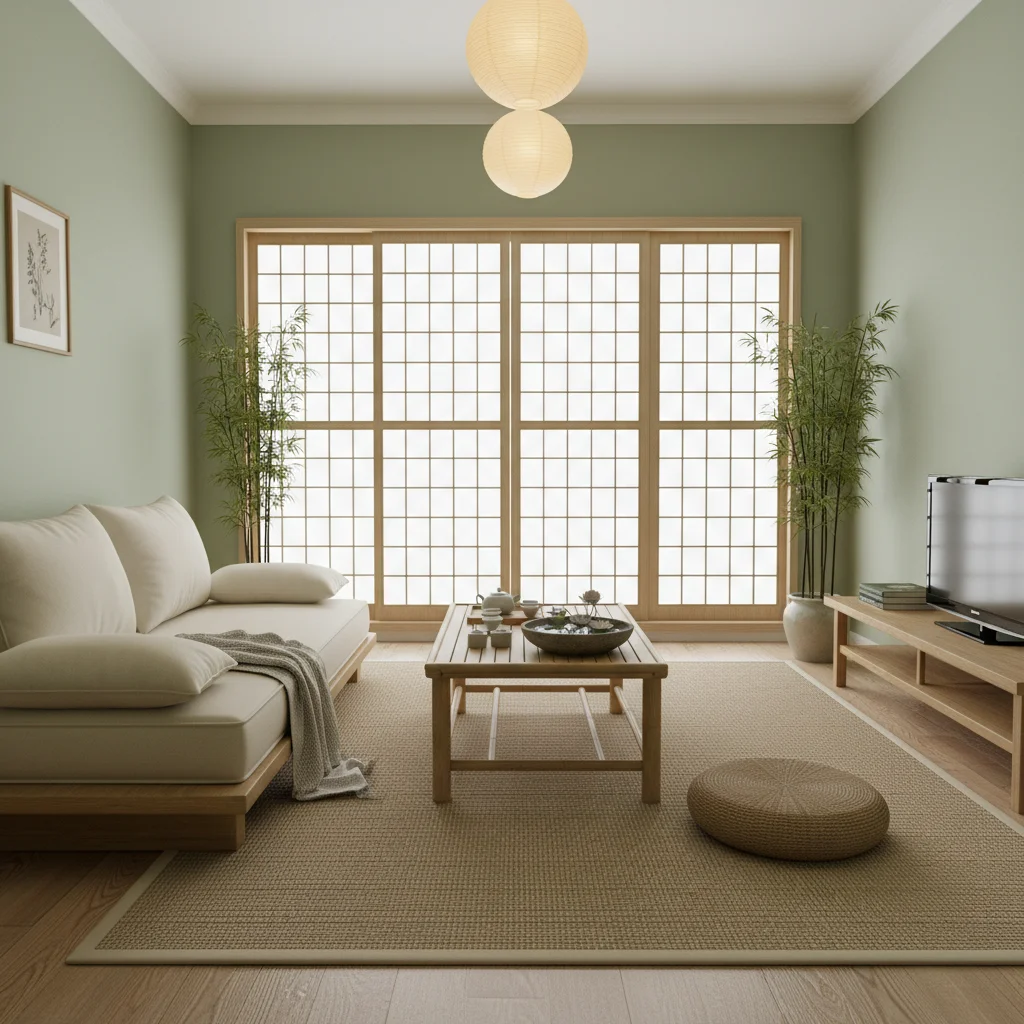
What is Asian Zen style?
The style draws on Japanese residential architecture, including shoin-style rooms with tatami mats, sliding shoji screens and a tokonoma alcove, and on the Chinese scholar's study with its simple hardwood furniture. Both traditions valued natural materials, modest decoration and a direct view of the garden. The Japanese idea of ma, the deliberate use of empty space, is central. Interest grew in the West through mid-20th-century modernism and today's focus on calm, low-clutter homes, as people look for rooms that support rest and concentration.
Asian Zen color palette
- Rice paper#EFE8DC
- Warm beige#D6C7AE
- Bamboo#C2B280
- Moss green#7A8450
- Charcoal#3B3B3B
- River stone grey#9A9890
Key features of Asian Zen design
- 1
Furniture placed low to the floor, keeping sightlines open.
- 2
Soft, diffused daylight through paper, linen or frosted screens.
- 3
Large areas of empty floor and wall left intentionally bare.
- 4
A single focal element such as a bonsai, orchid, ikebana arrangement or stone.
- 5
A view of or connection to nature through windows, plants and natural materials.
- 6
Hidden storage so surfaces stay clear.
Materials
- Hinoki, cedar or pale oak
- Bamboo
- Rice paper or translucent linen screens
- Smooth river stone and slate
- Woven rush (tatami-style) and seagrass
- Unglazed or matte ceramic
- Linen and cotton
Furniture
- Low platform bed in solid wood
- Low tea table with floor cushions (zabuton)
- Sliding shoji-style screen or room divider
- Simple wood bench at the entrance
- Paper lantern pendant or floor lamp
- Closed wood cabinets that hide storage
Asian Zen style room by room
Asian Zen bedroom
Place a low platform bed on a rush or wool rug, add paper lantern lighting on both sides, and keep the wall behind the bed bare or hang one plain linen panel.
Try it on your bedroomAsian Zen bathroom
Use pale wood such as cedar for a bath mat, stool or vanity, slate or pebble-look tile on the floor, and one bamboo or fern plant.
Try it on your bathroomAsian Zen garden
Lay a gravel area with a few large stones, a stepping-stone path and clipped evergreens such as boxwood or Japanese maple.
Try it on your garden
Mistakes to avoid
- Filling the room with souvenir-style Asian objects; choose one or two well-made natural pieces instead.
- Bright, saturated colors; keep to earth tones and use green from real plants.
- Glossy or synthetic finishes; choose oiled wood, matte ceramic and natural fiber.
- Open shelving crowded with items; use closed cabinets and display one object at a time.
Get the Asian Zen look on a budget
- Apply frosted window film or hang linen panels to get shoji-style diffused light without built-in screens.
- Collect smooth stones and branches for decoration instead of buying objects.
- Lower the room visually by swapping a tall bed frame for a simple wood platform or slatted base.
Asian Zen vs similar styles
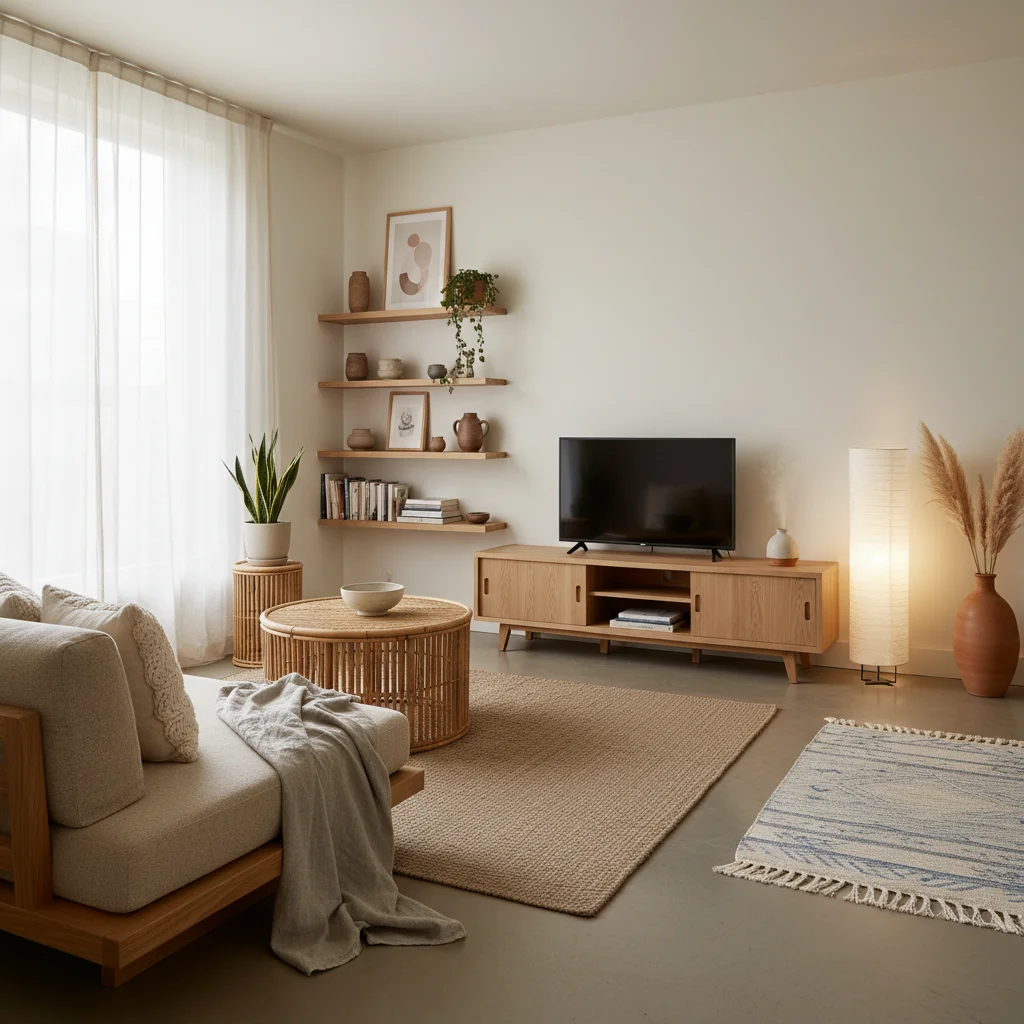 Asian Zen vs JapandiJapandi mixes Japanese restraint with Scandinavian comfort, using lighter woods, more textiles and modern Nordic furniture.
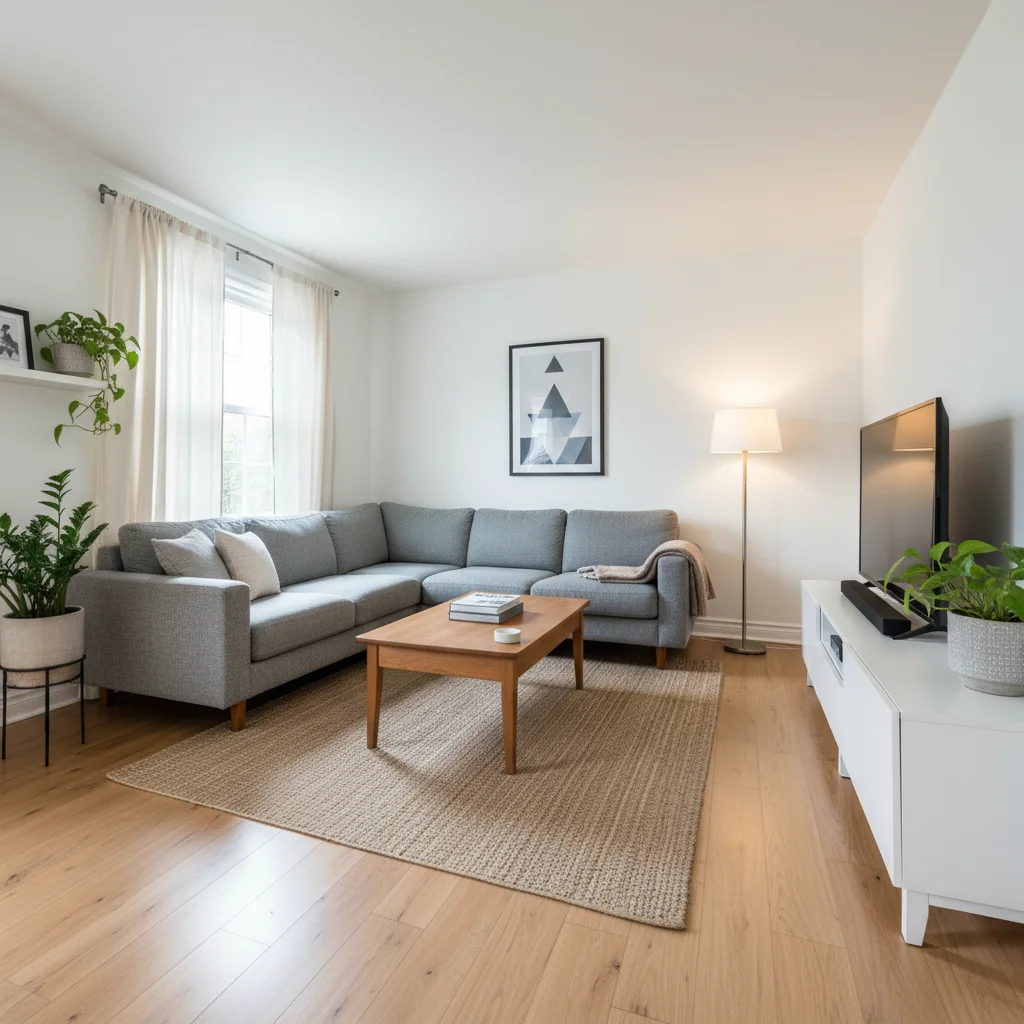 Asian Zen vs MinimalistMinimalism reduces objects and color in any material, while Asian Zen is defined by natural materials, low furniture and a link to nature.
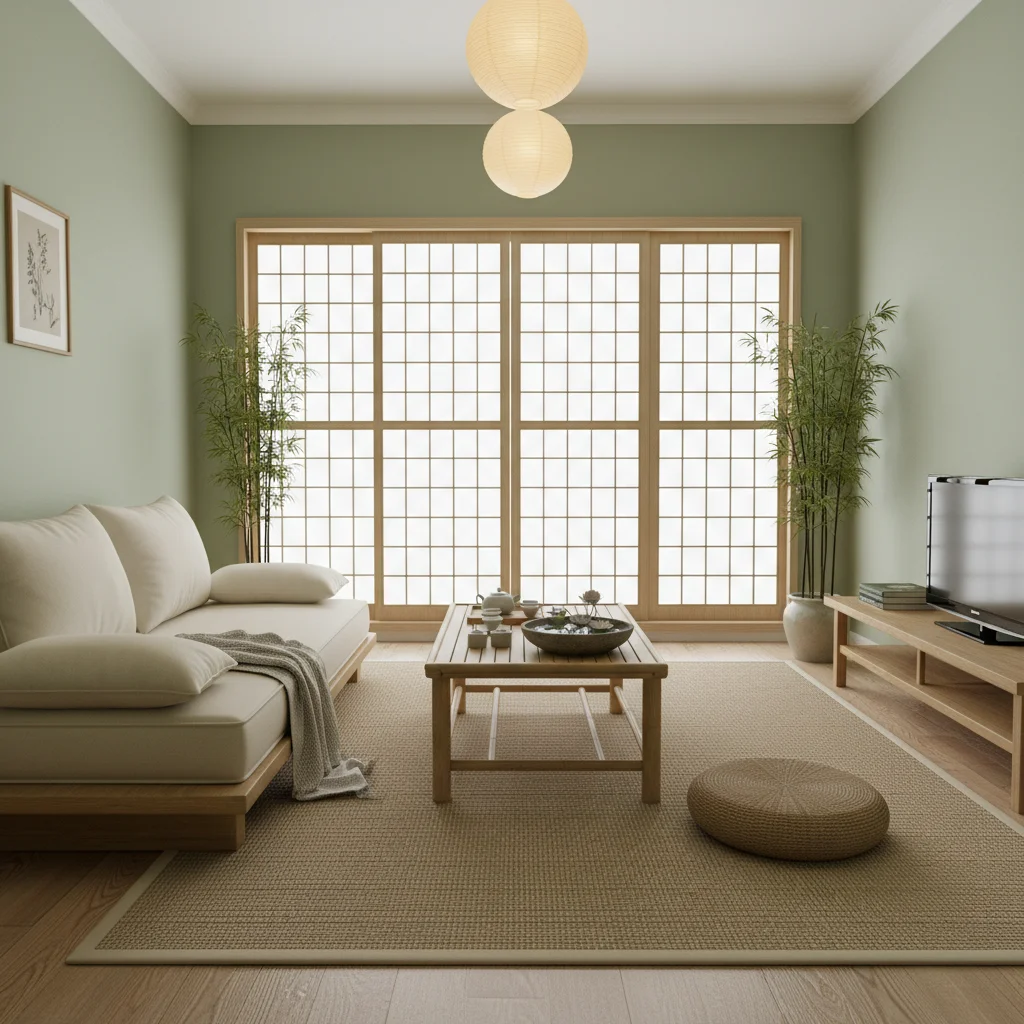 Asian Zen vs Feng ShuiFeng Shui is a set of layout principles for energy flow and balance, while Asian Zen is a visual style; the two are often combined.
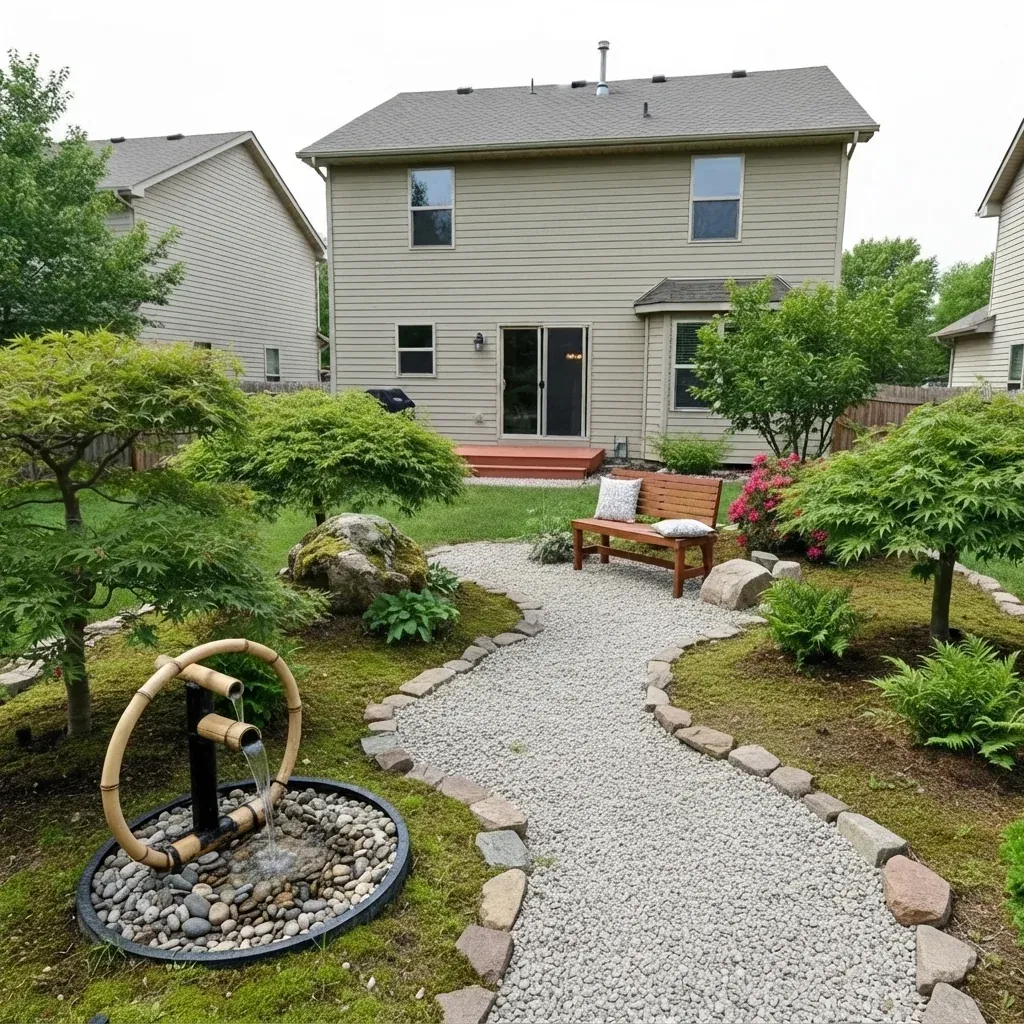 Asian Zen vs Japanese GardenJapanese Garden applies the same calm and natural principles outdoors with stone, gravel, water and pruned plants.
Frequently Asked Questions
What is a Zen interior design style?
A Zen interior is a calm, minimal room based on Japanese and Chinese traditions, using low wood furniture, natural materials, soft diffused light and very few objects. Empty space is part of the design. The aim is a quiet room that supports rest, with nature present through plants, stone and wood.
What colors create a Zen room?
Zen rooms use earth tones: warm whites, rice-paper beige, sand, bamboo tan, moss green, stone grey and charcoal. Color comes mainly from natural materials rather than paint. A dark accent such as charcoal or deep brown on one wall or piece of furniture adds depth without breaking the calm.
What is the difference between Zen and Japandi?
Zen is rooted in traditional Japanese and Chinese homes, with floor-level living, paper screens and stone, while Japandi blends Japanese ideas with Scandinavian furniture and comfort. Japandi uses lighter woods, more upholstered seating and modern Nordic shapes. Zen rooms are usually lower, darker in accents and closer to traditional forms.
How do I make my bedroom feel Zen?
Use a low platform bed, plain linen bedding in beige or grey, and soft lamps with paper or linen shades. Remove visible clutter by using closed storage, keep only one decoration such as a plant or stone, and add a natural-fiber rug. Block harsh light with linen curtains.
Which plants suit an Asian Zen interior?
Common choices are bonsai, bamboo palm, lucky bamboo, orchids, moss in shallow dishes and Japanese maple for outdoor areas. Use one plant per surface rather than groups, in simple ceramic or stone pots. Choose shapes with clear structure, such as a single orchid stem or a sculptural bonsai.


Unlock the Full Power of Decor Copilot
Upload a photo and see your room redesigned in seconds. Start for free today.
No credit card required