
Feng Shui Interior Design: Layout, Colors & Room Tips
Feng shui interior design is a Chinese method of arranging rooms so that furniture, light, color and materials feel balanced and support daily life. It places key furniture in the commanding position facing the door, keeps pathways clear, removes clutter and balances the five elements of wood, fire, earth, metal and water.
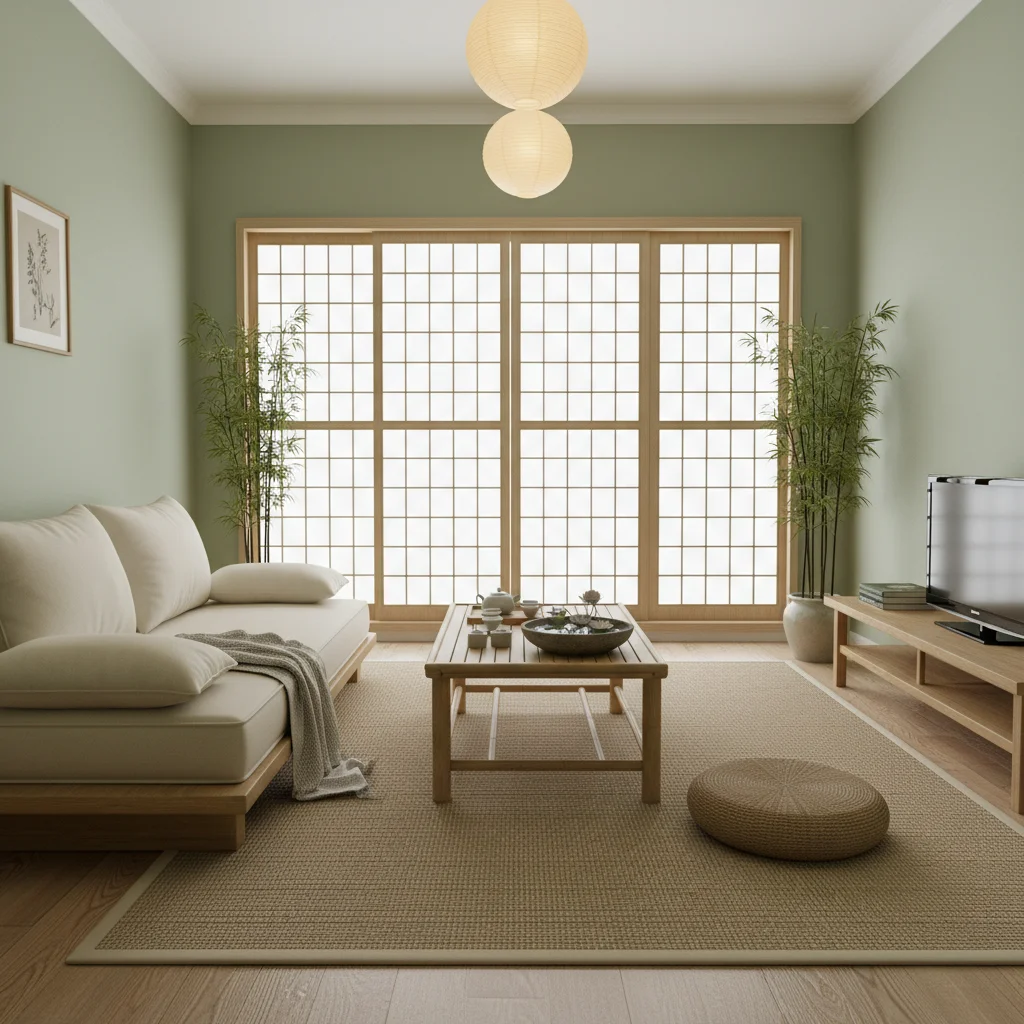
What is Feng Shui style?
Feng shui, meaning wind and water, developed in China over more than two thousand years as a way to site homes and graves in relation to land, water and sun. Classical schools use a compass (luopan) and building orientation; the simpler Western approach, popular since the 1980s, aligns a bagua grid with the front door. Interior designers use its practical core today: furniture placement for safety and comfort, good light and air, clear circulation and a calm mix of materials, which works whatever one's view of the traditional theory.
Feng Shui color palette
- Warm white#F6F1E7
- Sand#DCC9A9
- Sage green#9CAF88
- Muted terracotta#C27C5A
- Soft grey#B8B5AE
- Deep navy#2C3E50
Key features of Feng Shui design
- 1
The commanding position: bed, desk and sofa face the door diagonally without being directly in line with it.
- 2
Clear, unobstructed paths through the room and to every door and window.
- 3
All five elements represented through wood, plants, ceramics, metal and a mirror or water feature.
- 4
Furniture in balanced pairs, especially either side of a bed.
- 5
Rounded edges on tables and soft shapes in high-traffic areas.
- 6
Good natural light, fresh air and minimal visible clutter.
Materials
- Solid wood (wood element)
- Ceramic, clay and stone (earth element)
- Brushed brass or steel (metal element)
- Glass and mirror (water element)
- Cotton, linen and wool
- Living plants
Furniture
- Bed with a solid headboard set against a solid wall
- Matching pair of nightstands and lamps
- Desk placed to face the door, with a wall behind the chair
- Sofa backed by a wall rather than floating with its back to the entrance
- Round or oval coffee and dining tables
- Closed storage cabinets to keep surfaces clear
Feng Shui style room by room
Feng Shui bedroom
Put the bed against a solid wall with a sturdy headboard, in view of the door but not in line with it, with a nightstand and lamp on each side.
Try it on your bedroomFeng Shui home office
Position the desk so you face the door with a wall behind you, add a plant to one side, and keep cables and paperwork out of sight.
Try it on your home officeFeng Shui living room
Back the main sofa against a wall, arrange seating in a loose circle around a round coffee table, and keep a clear path from the entrance.
Try it on your living room
Mistakes to avoid
- A bed directly in line with the door (the coffin position); move it diagonally so you can see the door without facing it straight on.
- A mirror facing the bed; place mirrors on a side wall or inside a wardrobe door.
- Sitting with your back to the door at a desk; turn the desk or add a mirror that shows the entrance.
- Clutter under the bed and in entryways; use closed storage and keep the front door area open.
Get the Feng Shui look on a budget
- Rearrange existing furniture into the commanding position before buying anything; layout changes cost nothing.
- Declutter one zone at a time, starting with the entryway, and donate what you do not use.
- Add the missing element with low-cost items: a plant for wood, a ceramic bowl for earth, a small mirror for water.
Feng Shui vs similar styles
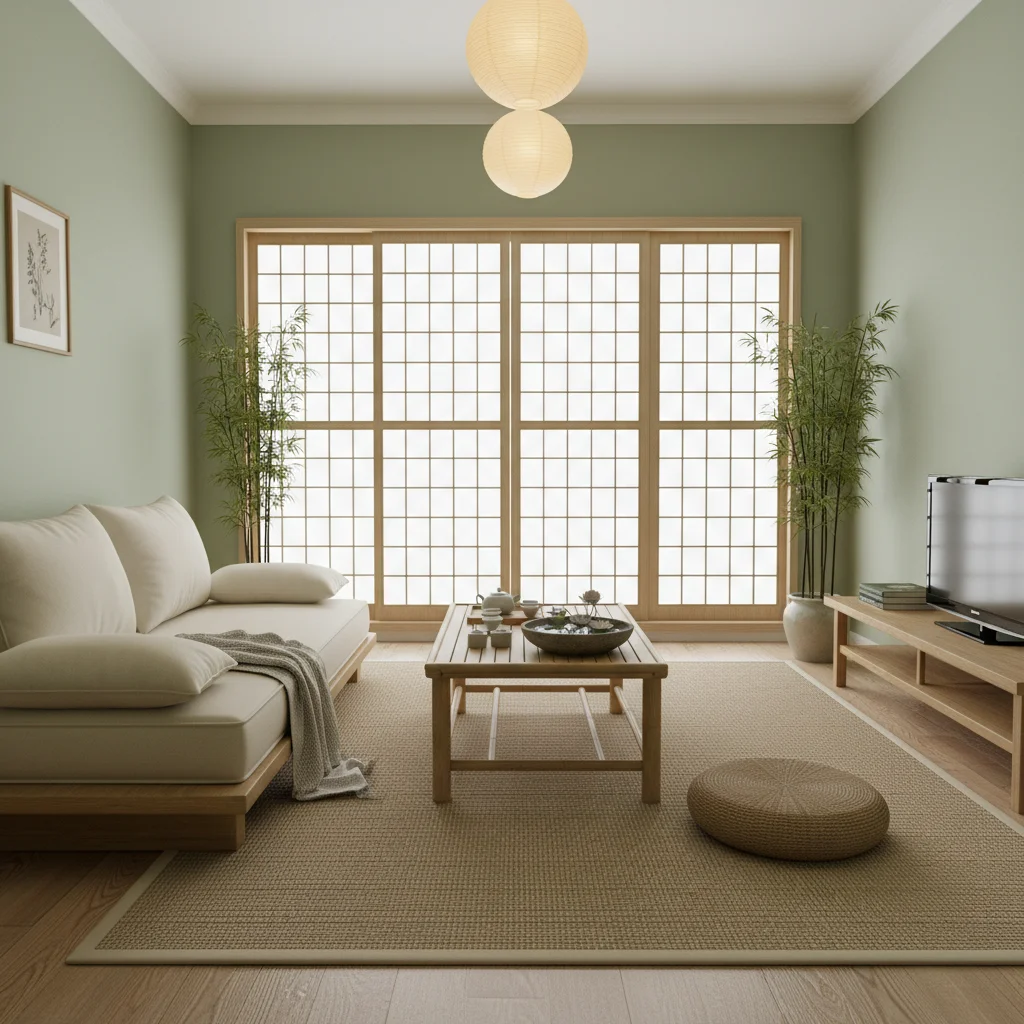 Feng Shui vs Asian ZenAsian Zen is a visual style with low furniture and natural materials, while Feng Shui is a set of placement principles that can be applied to any style.
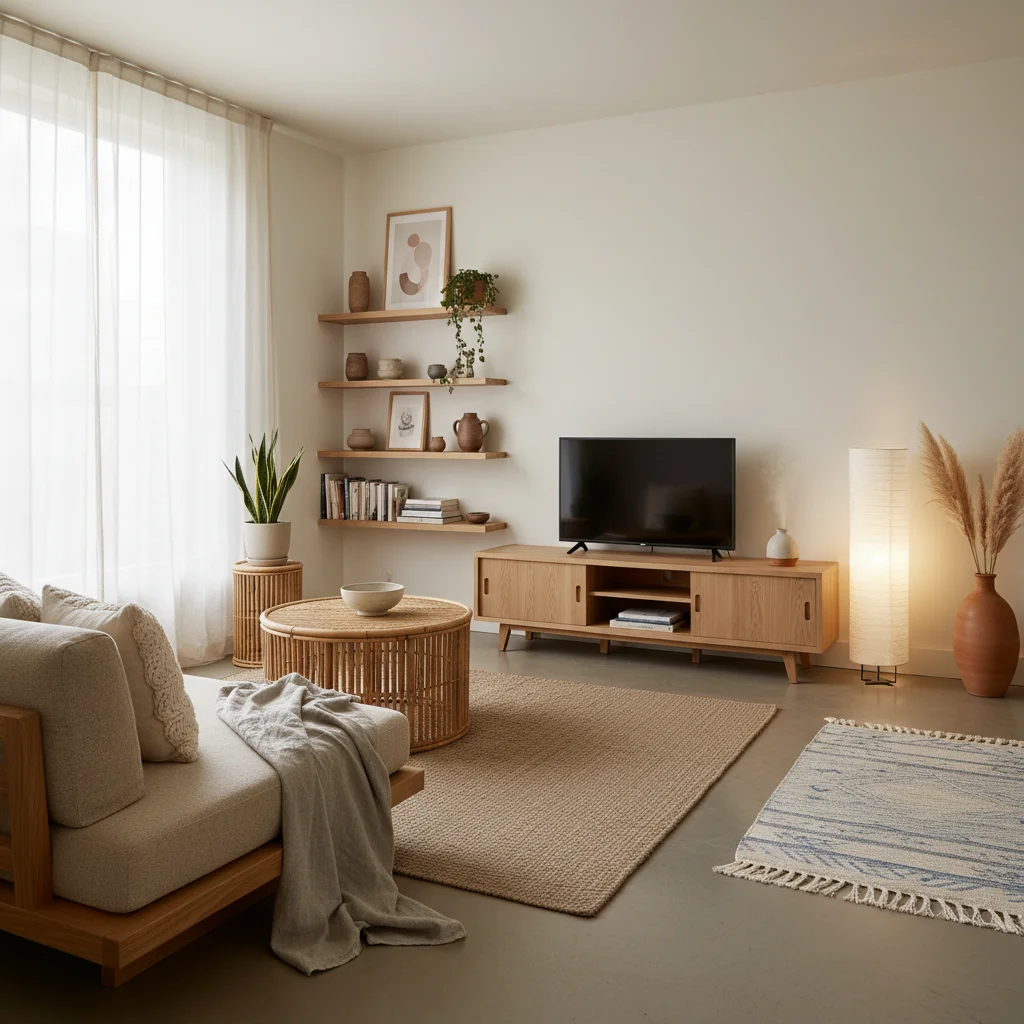 Feng Shui vs JapandiJapandi is a Japanese-Scandinavian look with pale wood and calm neutrals, often used as a backdrop for feng shui layouts.
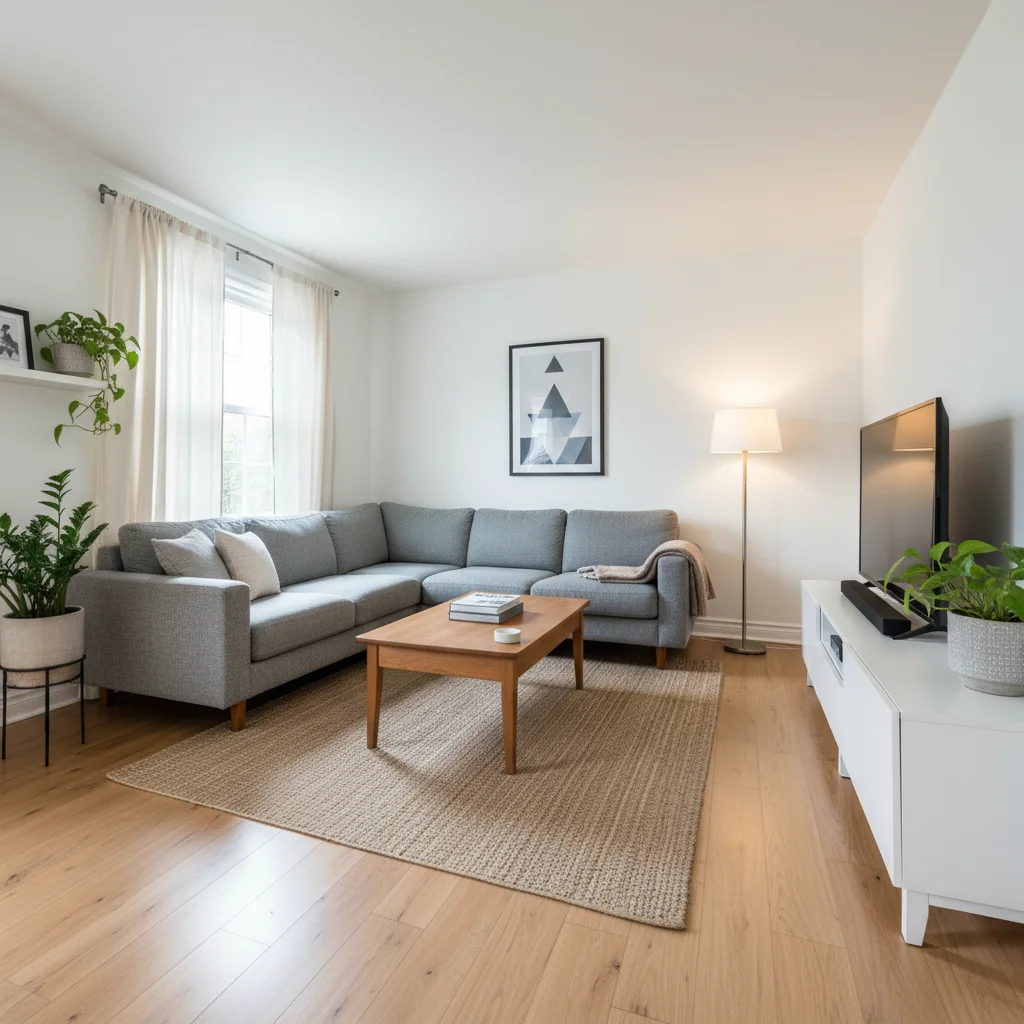 Feng Shui vs MinimalistMinimalism removes objects for visual simplicity, while Feng Shui decluttering focuses on flow and balancing the five elements.
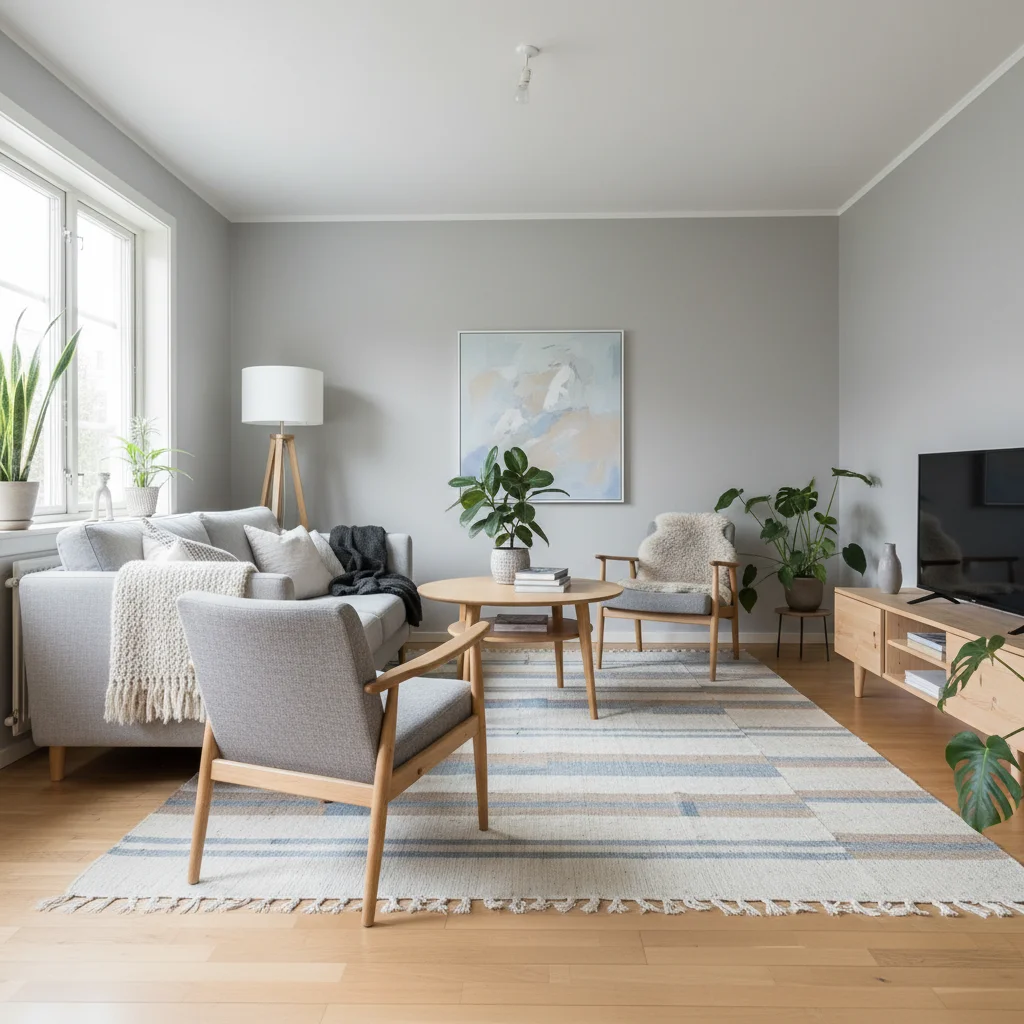 Feng Shui vs ScandinavianScandinavian design prioritizes light and function in a Nordic look without specific rules about orientation or elements.
Frequently Asked Questions
What is the commanding position in feng shui?
The commanding position is where you can see the door from your bed, desk or main seat without being directly in line with it. It is usually the spot diagonally opposite the entrance, with a solid wall behind you. Feng shui considers it the most supportive placement because you have a clear view of who enters.
Where should a bed go according to feng shui?
A bed should sit against a solid wall with a sturdy headboard, in view of the door but not directly in line with it. Avoid placing it under a window, under a heavy beam or with a mirror facing it. Leave space and a nightstand on both sides so it can be reached easily.
What are the five elements in feng shui decor?
The five elements are wood, fire, earth, metal and water. Wood appears as timber furniture and plants, fire as candles, lighting and red tones, earth as ceramics, stone and sandy colors, metal as brass, steel and white or grey, and water as mirrors, glass and dark blue or black.
Is there a free tool to plan a feng shui room layout?
Yes, Decor Copilot has a free feng shui layout generator at /tools/feng-shui-analyzer. You set where your door and window are, and it shows where the bed, sofa or desk should go in the commanding position, plus suitable colors and practical fixes. You can then use the AI redesign tool to see your own room restyled with that layout.
What colors are good for feng shui in a bedroom?
Soft earth and skin tones such as warm white, sand, beige, blush and muted terracotta are the most recommended bedroom colors in feng shui because they are calm and grounding. Sage green and soft blue also work. Bright red and large areas of black or strong blue are usually kept to small accents.


Unlock the Full Power of Decor Copilot
Upload a photo and see your room redesigned in seconds. Start for free today.
No credit card required