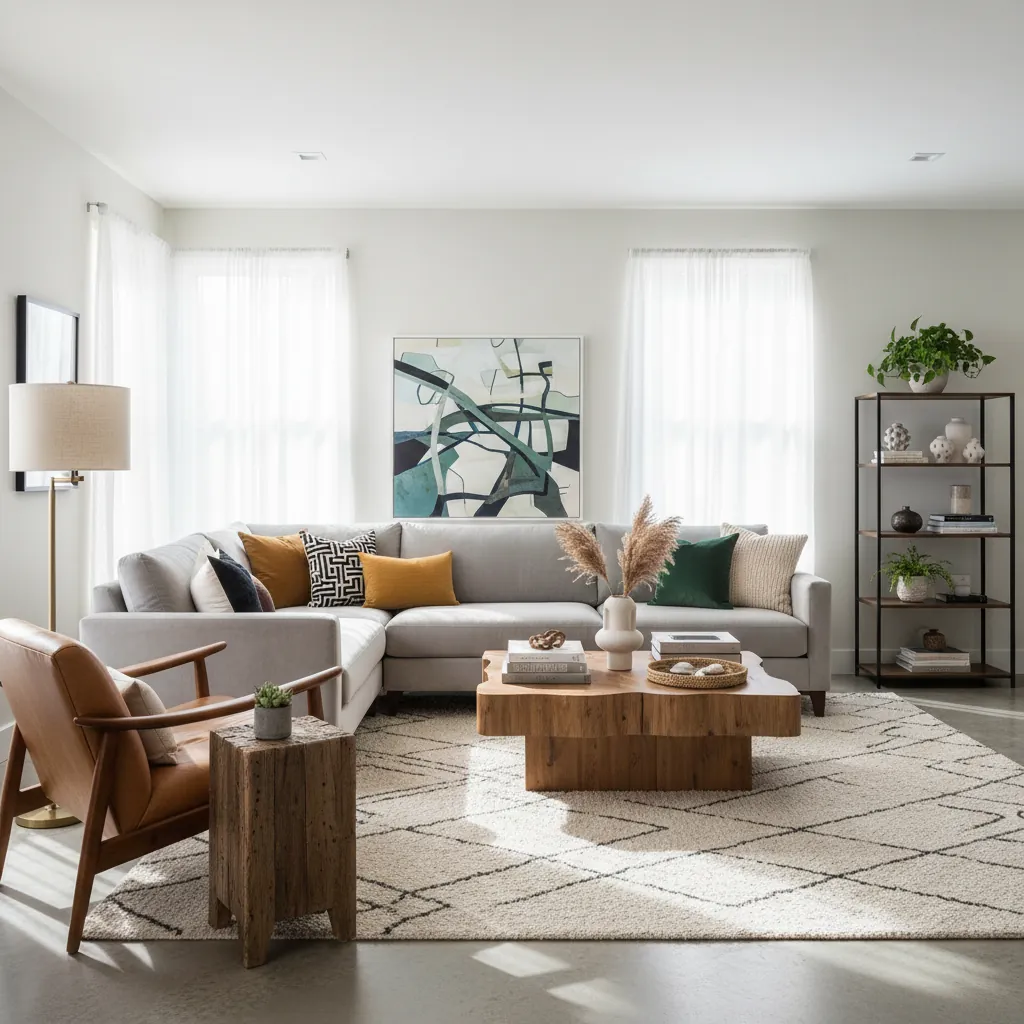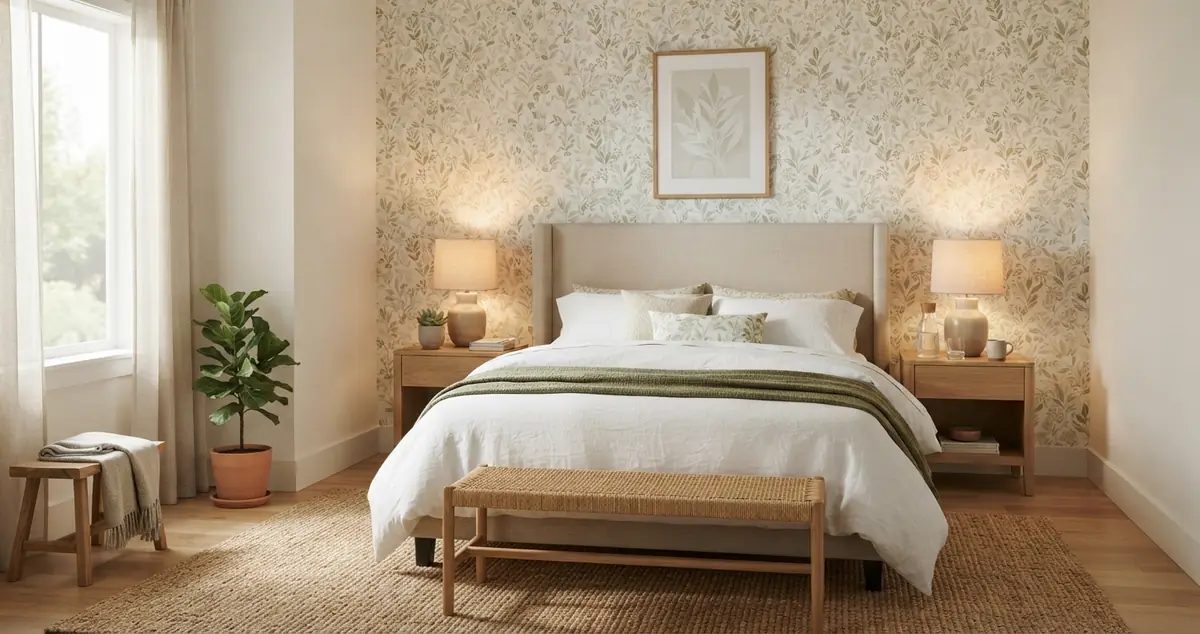
What Style Is My Room? How to Identify Any Interior Style From a Photo
Looking at a room and can't name the style? Five visual tells, a quick guide to ten common styles and the mislabels people make most, so you know what to search for and shop.
Hoceine
6 min read13 views
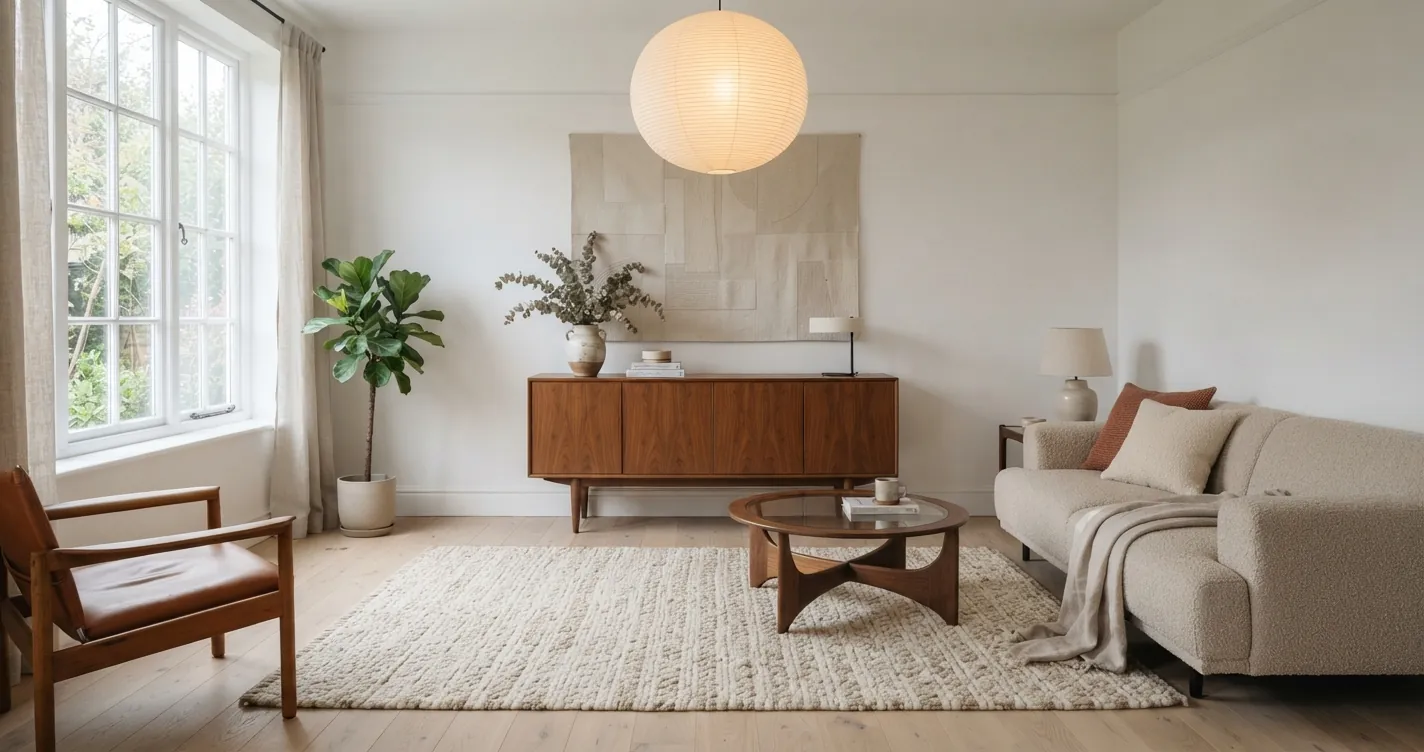
In this article
"What style is this?" is one of the most upvoted kinds of post on r/interiordecorating. One version passed 3,000 points. Another, "What would you call my decor style?", got well over a thousand. The comments usually include five different answers, sometimes all of them partly correct.
People ask because a name is useful. Once you know you like "warm minimalism" or "Japandi," you can search for it, shop for it and stop buying things that don't fit.
Short answer: you can identify most styles from five tells: the shape of the lines (straight or curved), the wood tone, the metal finish, how much pattern there is, and which era the furniture shapes come from. Most real rooms mix two styles, so they're usually called transitional (traditional plus modern) or eclectic (several styles with a common thread). Name the dominant style first, then the accent.
What are the five tells of an interior style?
Look at a photo of the room and answer these questions in order.
- Lines. Are the sofa arms, table legs and frames mostly straight and square, or curved and carved? Straight points toward modern, minimalist and industrial. Curves point to traditional, French country, art deco or newer organic modern.
- Wood tone. Is the wood pale (white oak, ash, birch), mid-warm (teak, walnut) or dark (espresso, mahogany)? Or is wood mostly absent? Pale points toward Scandinavian and Japandi. Walnut and teak lean mid-century. Dark carved wood is usually traditional.
- Metal finish. Matte black, brushed brass, polished chrome, aged iron or none? Black iron says industrial or modern farmhouse. Brass with geometric shapes says art deco or glam. Chrome often says contemporary.
- Pattern density. Is the room mostly solid colors and texture, or does it have several prints? Low pattern suggests minimalist, Scandinavian or Japandi. Heavy pattern points to boho, maximalist or traditional.
- Era of the silhouettes. Do the shapes look like the 1950s and 60s (tapered legs, low profiles), the 1920s (fans, arches, lacquer), 19th-century European (rolled arms, tufting) or current (boucle curves, chunky low sofas)?
How do you tell common styles apart?
Here's a quick reference with three signature markers for each.
| Style | Signature marker 1 | Signature marker 2 | Signature marker 3 |
|---|---|---|---|
| Mid-century modern | Tapered, splayed wood legs | Walnut or teak | Low, long sofas and credenzas |
| Scandinavian | Pale wood and white walls | Simple functional shapes | Wool, sheepskin, soft textiles |
| Japandi | Low furniture, pale or dark wood | Muted earth palette | Very little decor, handmade ceramics |
| Industrial | Exposed brick, pipe or concrete | Black metal and leather | Factory-style lighting |
| Modern farmhouse | Shiplap or board-and-batten | Black and white with natural wood | Rustic beams and woven baskets |
| Traditional | Carved wood and rolled arms | Symmetrical layouts | Rich fabrics, florals, damask |
| Transitional | Traditional shapes, simpler details | Neutral palette | Mix of wood and upholstery, little ornament |
| Bohemian | Layered rugs and textiles | Rattan and plants | Global patterns, warm colors |
| Coastal | White, sand and soft blue | Light woods, slipcovers | Linen, jute, airy feel |
| Art deco | Geometric patterns, fans, arches | Brass and lacquer | Velvet in jewel tones |
If you're torn between two, check which style accounts for the big pieces (sofa, bed, dining table). The big pieces decide the dominant style. Smaller decor is usually the accent.
What are the most common style mislabels?
A lot of the back-and-forth in Reddit comments comes down to a few pairs that are easy to confuse.
Boho vs eclectic
Boho is a specific look: rattan, macrame, layered rugs, plants and warm earthy patterns. Eclectic is broader: a mix of styles and eras that works because of a shared color palette or repeated material. A room can be eclectic without any boho elements at all.
Modern vs contemporary
In design terms, "modern" usually refers to mid-20th-century modernism: clean lines, natural wood and functional shapes. "Contemporary" means whatever is current now, which right now includes curves, boucle and organic shapes. People often use the words interchangeably, so check which one a store or designer means.
Farmhouse vs cottage
Farmhouse leans rustic and practical: shiplap, black metal, distressed wood and neutral palettes. Cottage (and cottagecore) is softer and more decorative: florals, painted furniture, pastels and vintage pieces.
Scandinavian vs Japandi
Both use pale wood and minimal decor. Japandi is lower to the ground, uses more dark accents and earthy colors, and has even less decor. Scandinavian is a little cozier and lighter in tone, with more textiles. Our Japandi interior design guide goes deeper on that difference.
What if your room is a mix of styles?
Most lived-in rooms are mixes, and that's fine. Designers often use an 80/20 approach: about 80 percent of the room follows one dominant style, and about 20 percent brings in an accent style. A mostly Scandinavian room with a few mid-century pieces still reads as calm and coherent.
When the mix is closer to 50/50 across traditional and modern pieces, the name you want is usually transitional. Our guide to transitional interior design covers that look in detail. When the mix spans three or more styles but shares a color palette or material, it's eclectic.
If the room feels chaotic rather than mixed, the fix is usually to repeat something: a wood tone, a metal finish or a color at least three times around the room.
How can you identify your style from a photo?
Three ways, from quickest to most thorough.
- Run through the five tells above. Write down the answer to each, then match against the table.
- Take a style quiz. Our free design style quiz asks about rooms you're drawn to and suggests the styles that match.
- See your own room in different styles. This is the most useful option if you're trying to choose a direction rather than name what you already have.
See your room in four different styles
Upload a photo of your room to the AI room designer and render it in several of its 30 styles: for example Scandinavian, Japandi, mid-century and transitional. The layout, windows and walls stay the same, so you're comparing only the style. Most people know within a few seconds which version feels like them.
New accounts get free credits, so you can test your own space. If you're still unsure, our guide to finding your interior design style has a step-by-step process, and our all design styles tested post shows one room across many looks.
Frequently asked questions
How do I figure out what style my room is?
Look at five things: line shape, wood tone, metal finish, pattern density and the era of the furniture shapes. Match the results against a style reference, and name the style of the big furniture pieces first.
What is it called when you mix modern and traditional?
Transitional. It pairs traditional furniture shapes with simpler, cleaner details and a mostly neutral palette.
What's the difference between eclectic and boho?
Boho is a specific look built on rattan, layered textiles, plants and warm global patterns. Eclectic is any intentional mix of styles and eras held together by a shared color or material.
Can a room have two styles?
Yes. Most rooms do. A common approach is to keep one dominant style for about 80 percent of the room and use a second style for accents.